

 Italiano
 Crystal Therapy Bracelet
World of Jewel
Natural Gemstones: Types, Colours, Characteristics & Buying Guide
Sep
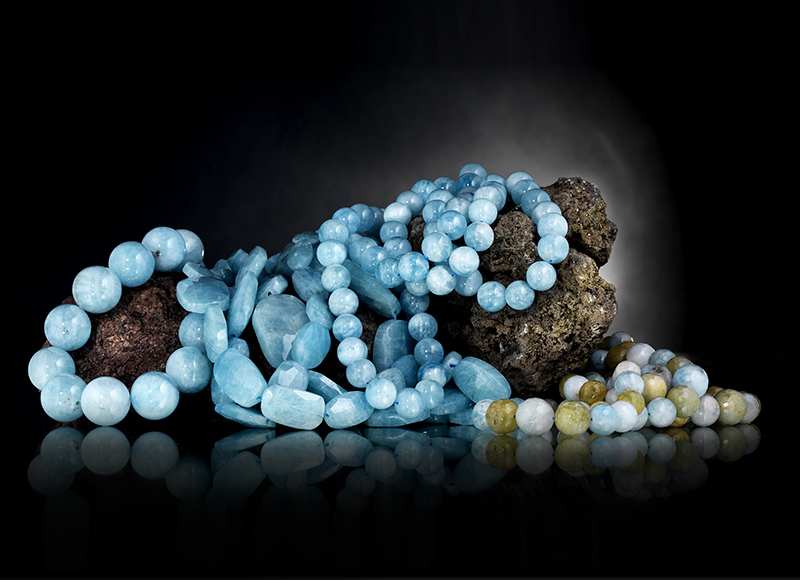
Natural gemstones are among the most versatile materials used in jewellery making.
Agate, amethyst, quartz, turquoise, tourmaline, jade, lapis lazuli, labradorite and many other gemstones offer an extensive choice of colours, shapes, sizes and natural characteristics. For jewellery professionals, choosing the right gemstone involves more than simply selecting a colour. The type of gemstone, its quality, shape, size, cut, finish and intended use all need to be considered.
In this guide, we explore some of the most widely used natural gemstones, their main characteristics and the factors to consider when choosing gemstones for jewellery production.
What are natural gemstones?
Natural gemstones are minerals and other naturally occurring materials that are cut, polished or otherwise worked for use in jewellery, accessories and decorative applications.
The gemstone market includes a very large number of different varieties. Agate, amethyst, quartz, turquoise and tourmaline, for example, are all very different materials, with their own colours, structures, hardness and visual characteristics.
The term “gemstone” is broader than the traditional category of precious stones. Diamonds, rubies, sapphires and emeralds are traditionally classified as precious gemstones, while many other natural materials are commonly described as semi-precious gemstones or simply gemstones.
For a jewellery professional, understanding the differences between gemstone varieties is essential when selecting materials for a collection or individual piece.
What are the most popular types of gemstones?
There are hundreds of gemstone varieties used in jewellery and decorative applications.
Some of the best-known natural gemstones include:
- Agate
- Amethyst
- Quartz
- Turquoise
- Tourmaline
- Jade
- Labradorite
- Lapis Lazuli
- Malachite
- Tiger’s Eye
- Jasper
- Carnelian
- Sodalite
- Amazonite
- Aventurine
- Rhodonite
- Fluorite
- Moonstone
- Larimar
- Hematite
Each gemstone has its own characteristics and may be available in different shapes, sizes, finishes and cuts.
Gemstones by colour
Colour is one of the most important factors when selecting gemstones for jewellery. Some gemstones are strongly associated with a particular colour, while others occur naturally in several different shades.
Green gemstones
Popular green gemstones include:
- Jade
- Malachite
- Green Aventurine
- Chrysoprase
- Amazonite
- Green Agate
- Green Tourmaline
- Serpentine
Green gemstones can range from very pale tones to deep and intense shades.
Blue gemstones
Some of the best-known blue gemstones include:
- Turquoise
- Lapis Lazuli
- Sodalite
- Kyanite
- Blue Agate
- Dumortierite
- Larimar
Blue gemstones are widely used when a jewellery design requires a distinctive cool colour.
Red and orange gemstones
Gemstones that can occur in red, orange or reddish-brown tones include:
- Carnelian
- Red Agate
- Red Jasper
- Rhodonite
- Garnet
- Red Tourmaline
These gemstones can be used as a central element or combined with other colours.
Black gemstones
Popular black or very dark gemstones include:
- Black Onyx
- Black Agate
- Black Tourmaline
- Obsidian
- Hematite
Black gemstones are particularly versatile and can be combined with both silver-coloured and gold-coloured metals.
Pink and purple gemstones
Popular pink and purple gemstones include:
- Rose Quartz
- Amethyst
- Rhodonite
- Pink Tourmaline
- Pink Agate
The exact colour can vary significantly depending on the gemstone variety and individual material.
The most popular natural gemstones
Agate
Agate is a variety of chalcedony and is known for its wide range of colours and characteristic patterns and bands. It is available in many different shapes and finishes and is widely used for necklaces, bracelets, pendants, cabochons and other jewellery components.
Explore: [AGATE CATEGORY]
Amethyst
Amethyst is the purple variety of quartz. Its colour can range from delicate lilac to deep purple.
It is one of the best-known quartz varieties and is widely used in jewellery making.
Explore: [AMETHYST CATEGORY]
Quartz
Quartz includes several varieties commonly used in jewellery, each with different colours and visual characteristics. These include rose quartz, smoky quartz, citrine, clear quartz and rutilated quartz.
Explore: [QUARTZ CATEGORY]
Turquoise
Turquoise is best known for its blue, blue-green and greenish-blue colours. Its appearance can vary considerably depending on the material and its origin.
Explore: [TURQUOISE CATEGORY]
Tourmaline
Tourmaline is known for its remarkable range of colours.
It can occur in black, green, pink, red and blue varieties, as well as materials showing more than one colour.
Explore: [TOURMALINE CATEGORY]
Natural gemstones: what should you look for?
When buying natural gemstones, colour is only one factor to consider. Professionals should also evaluate several other characteristics.
Colour
Colour is often the first consideration when choosing a gemstone. For professional jewellery production, consistency of colour within a parcel or supply can also be important, particularly when a collection requires multiple pieces with a similar appearance.
Shape
Gemstones can be available in many different shapes, including:
- Round
- Oval
- Rondelle
- Cylinder
- Barrel
- Drop
- Chips
- Faceted
- Cabochon
- Freeform
The appropriate shape depends on the jewellery design and intended application.
Size
Gemstone size affects the proportions, weight and overall appearance of a piece of jewellery.
For bead necklaces and bracelets, for example, the size of individual gemstones is an important part of the design.
Cut and finish
The same gemstone can have a very different appearance depending on how it has been cut and finished.
A polished surface, faceted cut or cabochon finish can highlight different characteristics of the material.
Quality
Gemstone quality is not determined by colour alone.
Surface quality, inclusions, integrity, consistency, finish and the characteristics of the specific variety should all be considered.
For professional purchasing, it is also important to understand exactly what material is being supplied and whether it has undergone any treatment.
Gemstones for jewellery making
Natural gemstones are used in many different types of jewellery.
Gemstones for necklaces
Necklaces can be made using individual gemstones, gemstone strands, faceted beads, cabochons or combinations of different materials. Important factors include:
- Size
- Shape
- Colour
- Consistency
- Weight
- Drilling
Gemstones for bracelets
Many different gemstone shapes can be used for bracelets, including round beads, rondelles, ovals, chips and barrels. The choice should take into account the size of the bracelet, the design and the intended use.
Gemstones for rings
Individual gemstones are commonly used for rings in shapes such as cabochons, ovals, drops and faceted stones.
Shape, size, surface quality and finish are particularly important in this application.
Gemstones for earrings
Earrings can use small gemstones, faceted stones, cabochons and specially shaped materials. Weight is an especially important consideration when selecting gemstones for earrings.
Precious gemstones and other gemstones: what is the difference?
Traditionally, diamonds, rubies, sapphires and emeralds are classified as precious gemstones. The broader category of gemstones includes a much larger range of natural minerals and materials used in jewellery.
This distinction should not be interpreted simply as a distinction between valuable and less valuable stones.
Many gemstones outside the traditional precious-stone category can have significant aesthetic, geological and commercial value depending on their variety, rarity and quality.
Natural, treated and synthetic gemstones
When purchasing gemstones, it is important to distinguish between natural materials and gemstones that have been treated, reconstructed or synthetically produced. Some natural gemstones may undergo treatments intended to enhance or modify their appearance, including colour.
When the natural characteristics of a gemstone are important for a jewellery project, the material should be sourced from a specialist supplier who can provide clear information about the specific product.
How to choose gemstones for your jewellery business
Jewellers, goldsmiths, designers and jewellery manufacturers have different requirements from private consumers. When choosing gemstones for professional use, it is useful to consider:
- Gemstone variety
- Colour
- Shape
- Size
- Cut and finish
- Quality
- Availability
- Supply continuity
- Required quantities
- Quality-to-price ratio
For a professional buyer, reliable availability can be just as important as the quality of an individual gemstone.
Buying gemstones wholesale
Professional jewellery businesses may require gemstones in quantities and formats that are different from those purchased by private customers. A professional buyer may need:
- Larger quantities
- Wide product selection
- Different sizes of the same gemstone
- Consistent availability
- Multiple gemstone varieties
- Specific shapes and finishes
- Materials suitable for different jewellery collections
Choosing the right supplier is therefore an important part of the purchasing process.
Perlepietre offers a broad selection of gemstones and jewellery components for professional customers, with numerous varieties available in different shapes, sizes and finishes.
Explore [Perlepietre’s gemstone collection].
Why choose Perlepietre for natural gemstones?
Perlepietre has been active in the jewellery sector for more than 50 years and has developed its range with professional customers in mind. The company offers gemstones, pearls, coral, cameos and other materials and components used in jewellery production.
Its presence at Il Tarì, the Italian jewellery district and trade centre, together with its extensive catalogue, allows professional customers to source different categories of jewellery materials from a specialised supplier. For businesses, this means being able to compare different gemstones, colours, shapes and materials according to the requirements of their collections.
Frequently Asked Questions about Natural Gemstones
What are natural gemstones?
Natural gemstones are naturally occurring minerals and materials that are cut, polished or otherwise worked for use in jewellery and decorative applications.
What are the most popular gemstones?
Some of the most widely known gemstones include agate, amethyst, quartz, turquoise, tourmaline, jade, lapis lazuli, labradorite, malachite, jasper and tiger’s eye.
Which gemstones are green?
Popular green gemstones include jade, malachite, aventurine, chrysoprase, amazonite, green agate and green tourmaline.
Which gemstones are blue?
Turquoise, lapis lazuli, sodalite, kyanite, blue agate, dumortierite and larimar are among the gemstones that can occur in blue shades.
Which gemstones are suitable for necklaces?
Agate, amethyst, quartz, turquoise, lapis lazuli, tiger’s eye and many other gemstones can be used for necklaces. The right choice depends on the design, colour, size, shape and finish.
Which gemstones are suitable for bracelets?
Many gemstone varieties can be used for bracelets, including agate, quartz, amethyst, jade, tiger’s eye and tourmaline. Round beads, rondelles, ovals, chips and barrel shapes are commonly used.
What is the difference between precious and semi-precious gemstones?
Diamonds, rubies, sapphires and emeralds are traditionally classified as precious gemstones. The term “semi-precious” has historically been used for many other gemstones, although the modern jewellery trade often simply uses the broader term “gemstones”.
Are all gemstones natural?
No. Gemstones available on the market can be natural, treated, reconstructed or synthetic. The product description and supplier information should therefore always be checked carefully.
Where can I buy wholesale gemstones?
Wholesale gemstones can be sourced from specialist jewellery suppliers and gemstone dealers. Perlepietre offers a wide selection of gemstones and jewellery components for professional customers.
How should a jewellery business choose a gemstone supplier?
Professional buyers should consider more than price. Quality, selection, availability, consistency, shapes and sizes, supply continuity and the supplier’s experience in the jewellery sector are all important factors.
Explore natural gemstones at Perlepietre
Discover the Perlepietre selection of natural gemstones for jewellery making, professional production and wholesale purchasing.
[Explore Gemstones at Perlepietre]

 +39 338 99 11 202